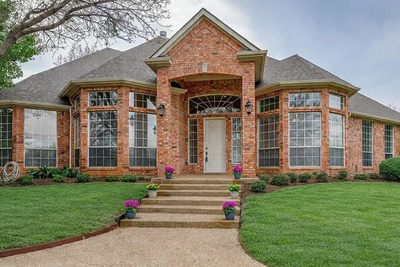
185 Chinn Chapel Road, Double Oak, Texas 75077, United States
Phone: ( 909)917-5853
When families begin looking for care for an aging loved one, they often encounter many unfamiliar terms. One option that is becoming increasingly popular—especially in Texas—is the residential care home. These smaller, home-like settings can offer a more personal alternative to larger assisted living communities.
Understanding what a residential care home is and how it works in Texas can help families decide whether this type of environment is the right fit for their loved one.
While this article focuses on residential care homes in Texas, families should know that similar types of homes exist throughout the United States. The name may vary by state—such as residential care home, board and care home, adult family home, or small assisted living home—but the basic idea is often the same: a smaller, more home-like setting that provides personal care and daily support for older adults. Because licensing rules, staffing requirements, and terminology differ from state to state, it is important for families to review the specific regulations where they live.
A residential care home (RCH) is a small assisted living setting typically located in a regular neighborhood home. These homes usually care for a small number of residents—often between 4 and 16 individuals—and provide assistance with daily activities such as bathing, dressing, medication management, meals, and supervision.
Because of their smaller size, residential care homes often provide a more personal, family-like atmosphere compared to large assisted living communities.
Residents typically have private or semi-private rooms and share common living areas, dining rooms, and outdoor spaces similar to a traditional home environment.
In Texas, residential care homes are regulated as Assisted Living Facilities (ALFs) and must be licensed by the Texas Health and Human Services Commission (HHSC).
Texas classifies assisted living facilities into different categories based on the level of care they provide:
Many residential care homes in Texas operate as small Type B assisted living homes, allowing them to care for residents who need additional support with mobility, medications, or memory care.
Facilities must meet state requirements related to licensing, staff training, resident care, and safety in order to operate legally in Texas.
Most residential care homes provide services similar to traditional assisted living communities, including:
Some homes may also offer specialized care for residents living with Alzheimer’s disease or other forms of dementia, depending on licensing and staff training.
Many families are drawn to residential care homes because of their smaller size and more personalized environment.
Benefits may include:
For seniors who may feel overwhelmed in larger facilities, a residential care home can provide a calmer and more familiar setting.
Residential care homes may be a good option for seniors who:
As with any senior living option, families should visit the home, ask questions, and confirm that the facility is properly licensed in Texas.
Choosing care for a loved one is an important decision, and understanding the different options available can make the process easier. Residential care homes provide a unique combination of professional care and a comfortable home environment, helping many seniors maintain dignity, safety, and quality of life.